
Piercing Needles
The most widely used in professional piercing
Piercing Needles
The most widely used in professional piercing
Piercing Needles
The most widely used in professional piercing
Previous
Next
Piercing Needles
The Essentials
Piercing needles are the cornerstone of professional body piercing, designed to create clean, precise, and safe piercings. Unlike piercing guns, which can cause more tissue trauma, piercing needles are specifically engineered to minimize damage and ensure a smooth healing process. These needles are crafted from high-quality, medical-grade stainless steel, which is durable, corrosion-resistant, and hypoallergenic, making them safe for all skin types.
Types of Piercing Needles
There are several types of piercing needles, each suited for different types of piercings. The most common types include:
Hollow Needles: These are the most widely used in professional piercing. The needle’s hollow design allows it to remove a small core of tissue, creating a clean channel for the jewelry. Hollow needles are known for their precision and minimal tissue damage, which promotes faster healing.
Cannula Needles: Often used in medical settings, cannula needles have a hollow, flexible tube attached to the needle. After piercing, the needle is removed, leaving the cannula in place, which can be used to guide the jewelry through the piercing. This type is particularly useful for delicate areas or for reducing discomfort.
Curved Needles: These are used for piercings that require a curved path, such as the navel or rook piercings. The curve of the needle matches the natural contour of these areas, allowing for a smoother insertion and less trauma to the tissue.
Dermal Punches: While not technically needles, dermal punches are used for creating larger gauge piercings, particularly in cartilage. They work by removing a small circular piece of tissue, creating a larger opening for the jewelry.
Hollow Needles: These are the most widely used in professional piercing. The needle’s hollow design allows it to remove a small core of tissue, creating a clean channel for the jewelry. Hollow needles are known for their precision and minimal tissue damage, which promotes faster healing.
Cannula Needles: Often used in medical settings, cannula needles have a hollow, flexible tube attached to the needle. After piercing, the needle is removed, leaving the cannula in place, which can be used to guide the jewelry through the piercing. This type is particularly useful for delicate areas or for reducing discomfort.
Curved Needles: These are used for piercings that require a curved path, such as the navel or rook piercings. The curve of the needle matches the natural contour of these areas, allowing for a smoother insertion and less trauma to the tissue.
Dermal Punches: While not technically needles, dermal punches are used for creating larger gauge piercings, particularly in cartilage. They work by removing a small circular piece of tissue, creating a larger opening for the jewelry.
Needle Sizes and Gauges
Piercing needles come in various sizes, or gauges, which are chosen based on the specific piercing and the type of jewelry to be used. The gauge refers to the thickness of the needle, with smaller numbers indicating thicker needles. Common gauges range from 18G (thin) to 14G (thicker) for standard body piercings. Some piercings, like dermal or surface piercings, may require even larger gauges. Choosing the appropriate gauge is crucial for the comfort and safety of the piercing, as well as for the healing process.
Sterilization and Safety
Sterilization is a critical aspect of using piercing needles. Professional piercers use pre-sterilized, single-use needles to ensure the highest level of hygiene and to prevent infections. Each needle is individually packaged and discarded after use, eliminating the risk of cross-contamination. Additionally, piercers follow strict sterilization protocols for all tools and equipment, including the use of autoclaves to sterilize non-disposable items.
The Piercing Process
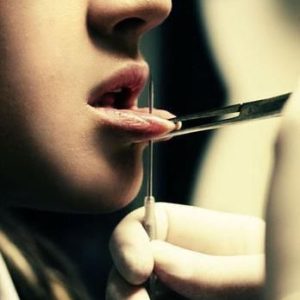
During the piercing process, the piercer will use a needle receiving tube or cork to safely receive the needle after it passes through the tissue. This method ensures that the needle is guided accurately and reduces the risk of injury. The piercer will also wear gloves and use sterile techniques to handle the needle and jewelry, ensuring a clean and safe procedure.
Conclusion
Piercing needles are essential tools in the body piercing industry, designed to provide safe, precise, and minimally invasive piercings. With various types and sizes available, professional piercers can choose the most appropriate needle for each specific piercing, ensuring optimal results and a smooth healing process. Understanding the different types of needles and their uses can help clients feel more informed and confident about their piercing experience, knowing that their safety and comfort are top priorities