Composition and Safety
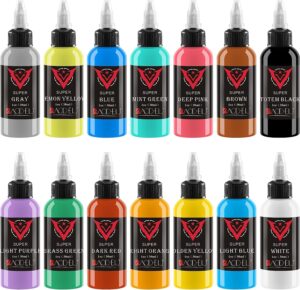
Tattoo inks are made from a combination of natural and synthetic ingredients. The pigments can be derived from a variety of sources, including minerals, plants, and synthetic compounds, each contributing to a wide range of colors. The carrier solution typically includes ingredients like distilled water, alcohol, glycerin, and witch hazel, which help to sterilize the pigment and facilitate smooth application. Safety is paramount, and reputable ink manufacturers adhere to strict regulations to ensure that their products are free from harmful substances and contaminants.
Choosing the Right Ink
Selecting the right tattoo ink is essential for both artists and clients. Professional tattoo artists rely on high-quality inks that offer vibrant colors and smooth consistency. The choice of ink can also depend on the tattoo style and the desired effect. For instance, black and grey tattoos often use inks with a high concentration of carbon black for deep, rich shading, while colorful tattoos may use a variety of pigments to achieve a vivid, multi-hued appearance. It’s also important to consider the client’s skin type and potential allergies, ensuring that the chosen ink is suitable and safe for individual use.
The Evolution of Tattoo Ink
Over the years, tattoo ink has evolved significantly. Traditional inks were made from natural ingredients like charcoal and plant extracts, but modern advancements have introduced a broader spectrum of synthetic pigments that offer enhanced durability and colorfastness. Today’s inks are formulated to provide better results with fewer touch-ups, allowing tattoos to maintain their brilliance and detail for longer periods. Additionally, advancements in technology and chemistry have led to the development of vegan and hypoallergenic inks, catering to clients with specific preferences and sensitivities.
Maintenance and Longevity
Proper aftercare is essential for maintaining the longevity and appearance of a tattoo. High-quality inks, when combined with proper aftercare practices, ensure that tattoos heal well and retain their color. Clients are advised to follow their artist’s aftercare instructions, which typically include keeping the tattoo clean, moisturized, and protected from direct sunlight. Over time, touch-ups may be necessary to refresh the colors and maintain the tattoo’s sharpness, especially for designs with intricate details and vibrant hues.
Conclusion
Tattoo ink is more than just a medium for creating body art; it is a carefully formulated product that combines artistry with science. The choice of ink impacts the quality, safety, and longevity of the tattoo, making it essential for both artists and clients to prioritize high-quality products. With continuous advancements in ink technology, tattoo enthusiasts can enjoy vibrant, long-lasting tattoos that remain a testament to their personal stories and artistic expression.